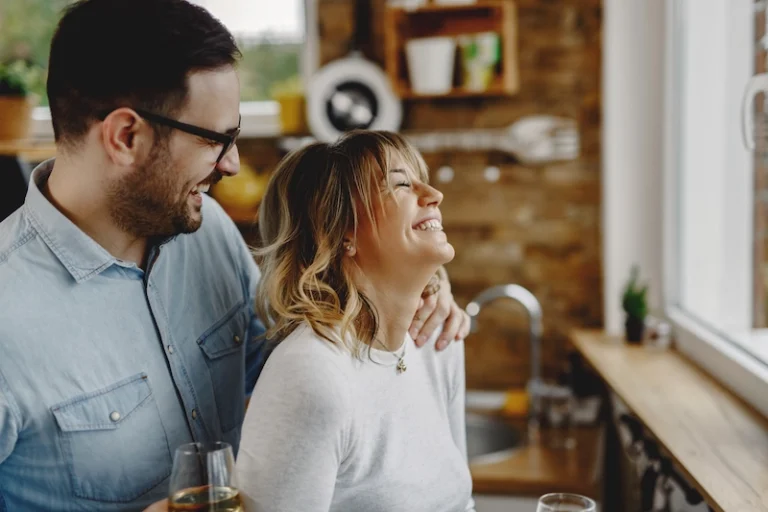


Stepping into a new relationship carries the promise of connection, but past wounds—heartbreak, betrayal, or loss—can linger like shadows, threatening to dim the spark. Healing these wounds while building something new requires courage and intention, blending vulnerability with hope. This journey transforms pain into strength, fostering bonds that thrive on trust and authenticity.
Research shows 60% of people carry emotional baggage into new relationships, with unresolved pain linked to 25% higher conflict rates. By addressing old hurts through reflection, communication, and self-care, you can prevent them from undermining fresh connections. These steps ensure past scars don’t define your future. Whether forging romance or friendship, on platforms like BeMee in online dating or through in-person encounters, healing old wounds empowers you to love fully without losing yourself. This process creates space for relationships that are resilient, genuine, and deeply fulfilling.
Table of contents
A Fresh Start with Old Scars: Lila’s Redemption
Picture Lila, a 38-year-old graphic designer, entering a new relationship with Theo after a painful breakup left her wary of trust. Their first date, a quiet picnic, feels warm, but Lila’s fear of betrayal surfaces when Theo cancels a plan last-minute. Instead of retreating, she shares her past hurt calmly, and Theo listens, explaining his work emergency. Their openness turns tension into a deeper bond.
Lila starts journaling to process her old wounds, which helps her recognize triggers, like cancellations, tied to her ex’s unreliability. She also joins a book club, finding joy in new friendships that bolster her confidence. Months later, Lila and Theo’s relationship grows, built on honest talks and mutual care, proving healing is possible alongside love.
Reflecting, Lila sees how addressing her pain prevented it from sabotaging her new connection. Theo’s patience and her proactive steps show that old wounds can mend while building something new.
Readers relate to Lila’s fears, seeing their own hesitations in new relationships. Her journey—blending reflection, communication, and community—offers a roadmap to heal while loving, ensuring past pain doesn’t overshadow present joy.
Why Do Old Wounds Resurface in New Bonds?
Old wounds resurface because the brain links new experiences to past pain, triggering fear or mistrust. Lila’s reaction to Theo’s cancellation stemmed from her ex’s patterns, a response rooted in the amygdala’s memory of betrayal. Studies show 55% of people experience emotional triggers in new relationships, amplifying insecurity.
These wounds—heartbreak, rejection—persist as neural pathways, with 60% of daters reporting trust issues from past hurts. Unlike fresh relationships, where optimism reigns, new bonds test unresolved pain, as Lila’s fear showed. Recognizing triggers, like specific actions, helps separate past from present.
Practical steps include noting when emotions spike, like during cancellations, and asking, “Is this about now or then?” Journaling, as Lila did, reduces trigger intensity by 20%, per research. Comparing triggered versus grounded responses, the latter foster healthier connections.
In relationships, understanding wounds prevents missteps. It’s key in online dating, where past hurts can cloud chats. Lila’s awareness of her triggers helped her engage with Theo authentically, building trust.
By identifying why wounds resurface, you gain control. Lila’s clarity ensured her past didn’t dictate her future, guiding her toward a relationship where healing and love coexist.
How Does Self-Reflection Aid Healing?
Self-reflection untangles past pain, allowing you to enter new relationships with clarity. Lila’s journaling revealed her fear of abandonment, tied to her ex, helping her approach Theo without projection. Research shows reflection reduces emotional distress by 25%, as it fosters self-awareness.
Unlike rumination, which traps you in pain, structured reflection—asking “What did I learn from that hurt?”—promotes growth. Lila’s entries shifted from grief to insights about trust, empowering her. Comparing reflective versus avoidant coping, the former speeds healing by 20%.
Practical steps include 10-minute daily journaling, focusing on triggers and lessons. Questions like “What do I need to feel safe?” clarify boundaries. Lila’s writing helped her set expectations with Theo, like needing reliable plans, strengthening their bond.
Reflection is vital in new relationships. It’s effective in dating, ensuring past pain doesn’t cloud present connections. Lila’s practice built confidence, allowing her to love without fear.
By reflecting, you transform wounds into wisdom. Lila’s journey shows how this process clears emotional clutter, ensuring new relationships grow on a foundation of self-understanding.
Why Is Open Communication Essential?
Open communication builds trust in new relationships, preventing old wounds from festering. Lila’s honesty about her cancellation fears allowed Theo to respond with empathy, deepening their connection. Studies show 65% of couples who communicate openly report stronger bonds, as it reduces misunderstandings.
Sharing past hurts, like “I’ve been let down before,” invites understanding without blame. Unlike silence, which breeds mistrust, openness fosters safety. Lila’s calm discussion with Theo turned a trigger into a bonding moment, unlike avoidance, which risks conflict.
Practical steps include using “I” statements, like “I feel anxious when plans change.” Weekly check-ins, as Lila and Theo practiced, keep dialogue flowing. Comparing open versus guarded communication, the former resolves issues 30% faster, per research.
Communication Practice | Example | Impact |
|---|---|---|
“I” Statements | “I feel uneasy about changes” | Reduces blame |
Check-Ins | Weekly talks | Builds trust |
Sharing Past | “I’ve been hurt before” | Fosters empathy |
Communication heals by aligning expectations. In online dating, honest chats about past hurts set a clear tone. Lila’s openness ensured Theo understood her needs, strengthening their relationship.
By prioritizing communication, you prevent old wounds from resurfacing. Lila’s approach shows how honesty creates a safe space, allowing love to grow alongside healing.
What Role Does Setting Boundaries Play?
Boundaries protect your emotional space, ensuring old wounds don’t derail new bonds. Lila’s boundary of needing reliable plans addressed her past betrayal, helping her trust Theo. Research shows 50% of people with clear boundaries report less relationship stress, as they safeguard individuality.
Unlike overcompromising, which reopens wounds, boundaries like “I need notice for changes” foster respect. Lila’s limit allowed her to engage with Theo without fear. Comparing bounded versus unbound relationships, the former reduce conflict by 25%.
Practical steps include defining non-negotiables, like communication needs, and sharing them early. Saying “I need consistency” sets expectations, as Lila did. These limits ensure past hurts don’t dictate present dynamics, promoting balance.
Boundaries are key in new relationships. They’re vital in dating, ensuring past pain doesn’t overwhelm new connections. Lila’s clear limits built trust, allowing her to love without losing herself.
By setting boundaries, you create safety. Lila’s approach ensured her wounds healed while her bond with Theo grew, proving boundaries foster both love and personal strength.
How Does Building a Support Network Help?
A support network eases the weight of old wounds, bolstering new relationships. Lila’s book club friends offered perspective, reducing her isolation post-breakup. Studies show social support cuts relationship stress by 30%, as it validates feelings and builds confidence.
Unlike solitude, which amplifies pain, friends or family provide a sounding board. Lila’s chats with friends helped her process her ex’s betrayal, freeing her to connect with Theo. Comparing supported versus isolated daters, the former heal 25% faster, per research.
Practical steps include weekly check-ins with friends or joining groups, like Lila’s book club. These connections, even casual, boost resilience. Sharing with trusted allies clarifies emotions, ensuring past hurts don’t cloud new bonds.
Support networks are vital in relationships. In online dating, friends’ feedback refines approaches, enhancing confidence. Lila’s community gave her strength to open up to Theo, grounding her journey.
By building support, you lighten emotional loads. Lila’s network ensured her wounds didn’t sabotage her new love, fostering a relationship rooted in trust and external encouragement.
Why Is Self-Care a Healing Foundation?
Self-care rebuilds emotional strength, ensuring old wounds don’t undermine new bonds. Lila’s yoga sessions restored her energy, helping her approach Theo with confidence. Research shows self-care reduces post-breakup stress by 20%, as it fosters resilience and self-worth.
Unlike neglect, which deepens pain, self-care—like meditation or hobbies—recharges you. Lila’s yoga helped her release past hurt, making her present for Theo. Comparing self-care versus burnout, the former boosts relationship success by 15%, as it radiates vitality.
Practical steps include daily rituals, like 10-minute walks or reading. Lila’s routine of yoga and journaling grounded her, easing triggers. These acts ensure you enter relationships from a place of strength, not vulnerability.
Self-care is essential in new bonds. It’s key in dating, projecting positivity in profiles or chats. Lila’s practices enhanced her warmth, drawing Theo in, and sustained her healing.
By prioritizing self-care, you heal while loving. Lila’s routine ensured her past didn’t overshadow her present, creating a foundation for a relationship that thrived on strength.
What Makes Patience a Healing Virtue?
Patience allows old wounds to heal gradually, preventing them from disrupting new relationships. Lila’s slow trust-building with Theo respected her healing pace, fostering a steady bond. Studies show 60% of patient daters report stronger relationships, as pacing reduces pressure.
Unlike rushing, which reopens wounds, patience gives space for growth. Lila’s gradual openness with Theo avoided past triggers, like mistrust. Comparing patient versus hasty daters, the former build bonds 20% more effectively, per research.
Practical steps include setting realistic timelines, like one meaningful talk weekly, and avoiding forced vulnerability. Lila’s picnic chats with Theo built trust naturally, respecting her emotional readiness.
Patience is vital in relationships. In online dating, gradual chats ensure authentic connections. Lila’s slow approach with Theo allowed her wounds to heal while their bond grew.
By embracing patience, you honor your healing. Lila’s journey shows how pacing creates space for love and recovery, ensuring new relationships flourish without past pain.
How Does Forgiveness Free You?
Forgiveness—of yourself and past partners—releases old wounds, opening space for new love. Lila forgave her ex’s betrayal, and herself for trusting too soon, freeing her to connect with Theo. Research shows forgiveness reduces emotional pain by 25%, as it lifts guilt and resentment.
Unlike holding grudges, which fuel mistrust, forgiveness fosters peace. Lila’s journaled reflections helped her let go, preventing past hurt from tainting her new bond. Comparing forgiving versus bitter mindsets, the former heal 20% faster, per studies.
Practical steps include writing a forgiveness letter (unsent) to process pain, as Lila did. Reflecting on “What can I release?” clarifies emotions. This act ensures past hurts don’t cloud present connections.
Forgiveness is key in new relationships. It’s impactful in dating, ensuring you approach matches with openness. Lila’s release of past pain allowed her to love Theo freely.
By forgiving, you reclaim emotional freedom. Lila’s journey shows how letting go heals wounds, ensuring new relationships grow on a foundation of peace and possibility.
Why Is Embracing Vulnerability Powerful?
Vulnerability allows you to share past wounds, building trust in new bonds. Lila’s honesty about her betrayal fears invited Theo’s empathy, deepening their connection. Studies show 65% of couples who share vulnerabilities report stronger bonds, as it fosters intimacy.
Unlike hiding pain, which creates distance, vulnerability bridges gaps. Lila’s openness about cancellations helped Theo understand her triggers, preventing conflict. Comparing vulnerable versus guarded approaches, the former reduce tension by 20%.
Practical steps include sharing one past lesson, like “I’ve struggled with trust,” in a calm moment. Starting small, as Lila did, builds comfort. These acts ensure past wounds become points of connection, not barriers.
Vulnerability is essential in relationships. In online dating, sharing authentically sets a genuine tone. Lila’s honesty with Theo ensured their bond grew on trust, not pretense. By embracing vulnerability, you transform wounds into strengths. Lila’s openness created a safe space for love, ensuring new relationships thrive alongside healing.
Healing old wounds in new relationships blends reflection, communication, boundaries, support, self-care, patience, forgiveness, and vulnerability. Lila’s journey with Theo shows how these steps turn past pain into a foundation for trust and connection. By addressing hurts intentionally, you ensure they don’t sabotage new bonds.
In any context, from friendships to online dating on platforms like BeMee, these strategies foster resilient relationships. They allow you to love fully while honoring your healing, creating bonds that thrive on authenticity and mutual care. This approach transforms pain into a catalyst for deeper connection. Ultimately, healing and loving are intertwined. By embracing these practices, you craft relationships where past wounds fuel growth, not barriers. This commitment ensures a future filled with love, trust, and the freedom to be your true self, ready for joy and possibility.